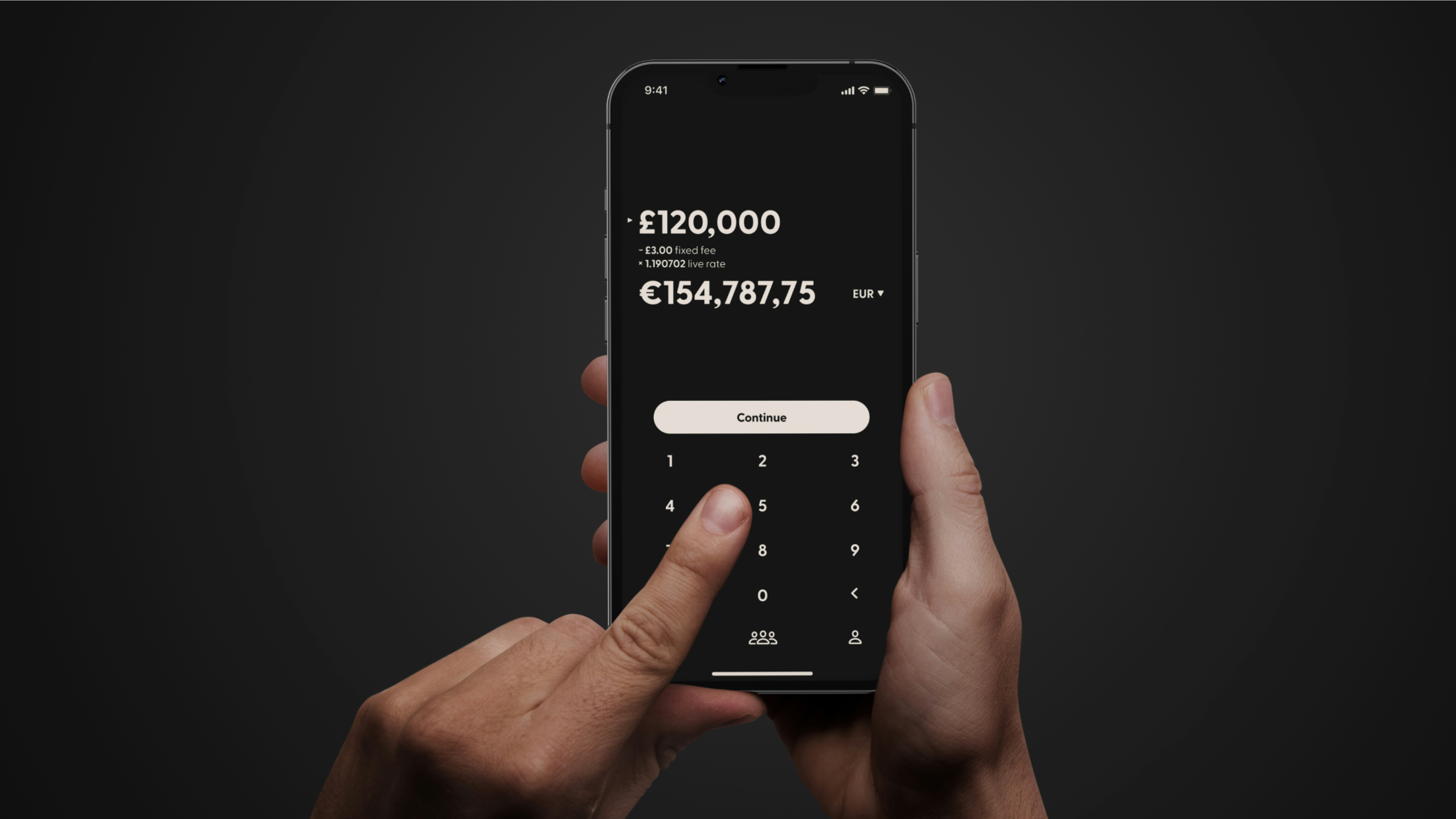
Introduction to Mortgage Affordability Calculators
Mortgage affordability calculators serve as essential tools for potential home buyers in the UK, helping them to determine how much they can responsibly borrow when purchasing a property. With the increasing intricacies involved in acquiring a mortgage, these calculators simplify the process by providing users with an accessible method to evaluate their financial capabilities. By inputting relevant financial information, prospective buyers can receive a detailed estimate of their borrowing limits, monthly repayments and overall mortgage expenses.
The significance of mortgage affordability calculators extends beyond mere calculations; they are instrumental in effective budgeting. Understanding one’s borrowing potential can greatly influence property choices and financial planning. With accurate data provided by these calculators, home buyers can avoid the pitfalls of overextending their finances. This foresight enables them to create a feasible budget that encompasses not only mortgage repayments but also other pivotal expenses associated with home ownership, such as property taxes, maintenance costs, and utilities.
Moreover, mortgage affordability calculators play a fundamental role in the overall home buying process. They act as a preliminary assessment tool that aids in setting realistic expectations before engaging with lenders. By equipping themselves with this knowledge, potential homeowners can approach mortgage advisors with a well-informed mindset, ensuring a more streamlined and effective mortgage application process. Consequently, these calculators can lead to improved outcomes in terms of securing a mortgage that aligns with a buyer’s financial situation.
Key Factors Affecting Mortgage Affordability
Understanding mortgage affordability is crucial for prospective homebuyers in the UK. Several key factors significantly influence how much a lender may be willing to advance, forming the core of mortgage calculations. Firstly, income levels play a pivotal role; the higher a borrower’s income, the more they can typically afford in terms of monthly repayments. Lenders assess the total gross income, which includes salaries, bonuses, and other sources such as rental income or dividends. Generally, lenders prefer applicants with a stable income history, as this indicates reliability and capability to maintain regular payments.
Secondly, existing financial commitments must be considered. Any outstanding debts such as personal loans, car loans, or credit card debt can impact mortgage affordability. Lenders assess the debt-to-income ratio (DTI), which compares total monthly debt payments to monthly gross income. A lower DTI is favorable, as it suggests that a borrower will have more disposable income available for mortgage repayments.
Another crucial factor is the credit score. Lenders often rely on credit scores to gauge the risk associated with a borrower. A higher credit score can lead to more favorable mortgage terms, including lower interest rates and higher borrowing limits. Maintaining a positive credit history, which involves timely repayments of existing debts, will enhance one’s chances of securing a loan.
Finally, interest rates also play a significant role in determining mortgage affordability. Fluctuating interest rates can impact monthly repayments, influencing how much a borrower may want or be able to borrow. With rising interest rates potentially leading to higher repayments, it is essential to consider the current market trends when evaluating mortgage options.
How to Use a Mortgage Affordability Calculator
Using a mortgage affordability calculator is an essential step in understanding your financial readiness when considering a property purchase. Here is a step-by-step guide to effectively utilizing these calculators.
Firstly, visit a reliable mortgage lender’s website or a financial advice platform that offers a mortgage affordability calculator. Once you access the calculator, you will typically be prompted to enter several key pieces of information. Start with your gross annual income. This income includes your salary and any additional profits from side businesses or investments that contribute to your financial pool.
Next, input your monthly fixed expenses. These expenses can be categorized as outgoings like utility bills, subscriptions, loans, and personal expenses. It is crucial to be thorough and honest about these figures to receive an accurate calculation of what you can afford. After detailing your expenses, provide information about any outstanding debts, including credit card debts and personal loans. This data will allow the calculator to assess your overall financial health.
Additionally, indicate how much you have saved for a deposit. This will affect the mortgage amount for which you may qualify. Some calculators also ask for savings details, which might influence your choice of mortgage types and terms. Once you input all necessary information, click the calculate button.
Upon calculation, the results will usually show you an estimated mortgage amount you can afford, along with monthly repayment figures and interest rates applicable based on your entered details. Remember to carefully review the results and consider their implications on your financial standing and future commitments. It may be beneficial to experiment with various scenarios by adjusting income or expenses to see how different factors influence mortgage affordability.
Types of Income Considered in Affordability Calculations
When mortgage lenders assess affordability, they evaluate various forms of income to determine the applicant’s capability to manage monthly repayments. Understanding these different income types is essential for potential borrowers. The primary consideration is the basic salary, which is the fixed amount paid to an employee before any additional earnings are factored in. This figure serves as the foundation for assessing repayment ability, as it provides a clear view of regular cash flow.
In addition to basic salary, lenders may also take into account bonuses and overtime. Bonuses are typically performance-related and can vary from year to year, making them less predictable than a standard salary. Consequently, lenders often prefer to average these amounts over a period, ensuring a more stable estimation of income. Overtime pay is another variable that might be included; however, similar to bonuses, its inclusion often depends on the frequency and reliability of receiving such income.
Self-employed individuals face different considerations. For these applicants, lenders usually analyze net income over the last two to three years, accounting for any fluctuations in revenue. This careful scrutiny of income is crucial given that self-employed earnings can be less predictable than salaried employment. Other forms of income can also be factored in, such as rental income, investment returns, or pensions. Each type of additional income must be well-documented, demonstrating its regularity and sustainability to satisfy lender criteria.
In summary, understanding the various types of income considered in affordability calculations is vital for prospective mortgage applicants. Recognizing how lenders evaluate different sources enables borrowers to present a complete financial picture when applying for a mortgage, enhancing their chances of approval.
Understanding the Mortgage Affordability Criteria of Lenders
When seeking a mortgage, it is essential to understand the affordability criteria set by lenders across the UK. These criteria are designed to ensure borrowers can meet their mortgage payments without experiencing financial hardship. A primary factor in determining loan eligibility is the applicant’s income, which lenders typically assess using established multiples. Generally, this means that lenders will calculate the maximum amount they are willing to lend by applying a multiple, often ranging from 4 to 5 times the applicant’s annual income, although this may vary based on individual circumstances.
In addition to basic income assessment, lenders conduct stress tests to evaluate how potential interest rate rises might impact mortgage affordability. Since interest rates can fluctuate, lenders often simulate various economic scenarios to determine the applicant’s ability to cope with increased payments. This helps safeguard against the risk of default during periods of economic strain, ensuring that borrowers are not overstretched financially.
The evaluation process also includes a thorough analysis of monthly expenditures. Lenders take into account regular outgoings such as utility bills, living costs, and existing financial obligations, like personal loans or credit card repayments. This detailed assessment allows lenders to gauge the overall debt-to-income ratio, which is critical in judging whether an applicant can sustain their mortgage payments alongside other financial commitments.
To summarize, the mortgage affordability criteria applied by lenders in the UK encompass a comprehensive evaluation of income, expenditure, and potential interest rate changes. Understanding these factors is crucial for prospective homeowners, as it can significantly influence their borrowing capacity and ultimately their future financial stability.
Common Mistakes When Using Mortgage Affordability Calculators
Mortgage affordability calculators are valuable tools for potential homebuyers in the UK, providing insights into how much they can borrow based on their income and expenses. However, many users make common mistakes that can lead to inaccurate results and misguided financial decisions.
One prevalent error is making unrealistic assumptions about income and outgoings. Users may overestimate their income by including bonuses, overtime, or potential promotions that are not guaranteed. Additionally, potential buyers may underestimate their monthly expenses, neglecting to account for costs such as utility bills, council tax, and everyday living expenses. This discrepancy can significantly skew the results, leading individuals to believe they can afford properties that exceed their financial capability.
Another frequent mistake involves not updating personal information in the calculator. Life circumstances can change rapidly; job changes, relationship status, or additional financial obligations can all impact someone’s affordability. Failing to update this information can yield misleading results that do not accurately reflect the user’s current situation. For instance, a recent graduate might use a calculator reflecting their initial salary rather than their current earnings or debt levels, which could be drastically different.
Furthermore, misunderstanding the output from affordability calculators is another pitfall. These tools typically provide a maximum borrowing range but may not consider individual circumstances or financial resilience. Some users may take this figure literally, disregarding the importance of a personal financial cushion or the costs associated with homeownership, such as maintenance and insurance. It is essential to approach these tools with a critical mind and to use the results as a guideline rather than a definitive answer.
Real-Life Examples of Mortgage Affordability Calculations
Understanding how mortgage affordability calculators function can be greatly enhanced through real-life examples. Let us consider a few scenarios that illustrate how these calculators provide insights based on different financial situations.
Example one involves a first-time buyer with a stable salary of £30,000 per annum. Using a mortgage affordability calculator, this individual might find that they can secure a mortgage of around £120,000. This estimation includes their income, allowing room for some discretionary spending while accounting for existing commitments such as student loans. In this scenario, the calculator factors in standard debt-to-income ratios which are critical to determine how much the lender is willing to offer.
Now, let’s move to a scenario with a higher income level. An individual earning £60,000 annually, without any significant debt, would have a greater borrowing capacity. In this case, the mortgage affordability calculator might indicate that they could qualify for a mortgage up to £240,000. This demonstrates how an increase in income directly correlates with a larger mortgage availability, reflecting the lender’s confidence in the borrower’s ability to manage repayments comfortably.
Furthermore, we may also consider an example where the borrower has £15,000 in credit card debt. Despite earning £45,000 per year, the additional debt reduces the amount they can borrow significantly as reflected by the affordability calculator. The simulation shows a possible mortgage sum of £150,000, which includes adjustments reflecting their debt obligations. This emphasizes how debt management is crucial in the mortgage determination process.
Through these examples, it becomes evident that mortgage affordability calculators not only take into account income levels and property prices but also examine existing financial responsibilities to provide an accurate estimation of borrowing potential.
Additional Resources and Tools for Home Buyers
When navigating the complex journey of purchasing a home, having access to a variety of resources can significantly aid potential buyers. One valuable resource is online mortgage affordability calculators, which assist users in estimating how much they can borrow based on their income and financial circumstances. Numerous websites offer these tools, including banks and independent financial advice platforms. These calculators can help you gauge your purchasing power and provide a clearer picture of what you can afford.
In addition to mortgage calculators, it is beneficial to explore articles and guides that explain the different types of mortgages available within the UK market. Understanding fixed-rate, variable-rate, and interest-only mortgages is crucial for making informed decisions. Home buyers should look for comprehensive resources that break down the advantages and disadvantages of each option, ensuring they choose a mortgage that aligns with their long-term financial goals.
For those seeking personalized guidance, consulting with a professional mortgage advisor or financial planner can be incredibly advantageous. These experts can offer tailored advice based on individual financial situations, help navigate the mortgage application process, and identify any potential pitfalls. It is advisable to engage with advisors who are regulated by the Financial Conduct Authority (FCA) to ensure that they adhere to the required professional standards.
Furthermore, many government and community organizations provide educational materials and workshops aimed at potential homebuyers. These resources can impart crucial knowledge about the home-buying process, from budgeting for a deposit to understanding conveyancing. Utilizing these additional resources can enhance buyers’ confidence and understanding of the property market.
Conclusion: The Importance of Knowing Your Mortgage Affordability
Understanding mortgage affordability is a pivotal aspect of the home-buying process. As we have explored throughout this blog post, using mortgage affordability calculators can provide invaluable insights into one’s financial capacity to purchase a home. These calculators help individuals gauge what they can realistically afford, taking into account various factors such as income, credit score, and current debts.
By utilizing these tools, prospective homeowners can avoid the emotional and financial pitfalls of purchasing a property beyond their means. Accurate assessments derived from mortgage affordability calculators empower buyers to make informed decisions, fostering a more manageable and achievable path to homeownership. Moreover, they encourage financial responsibility, ensuring that buyers do not overextend themselves and can comfortably manage their mortgage repayments alongside other living expenses.
In summary, understanding how mortgage affordability works is essential for anyone considering buying a home in the UK. The calculators provide a straightforward way to assess one’s financial situation while offering transparency regarding potential borrowing limits. Recognizing these limits helps individuals to strategically plan and prepare for their home-buying journey. This practice of mindful financial planning not only alleviates stress but also enhances overall satisfaction with the purchasing process. Therefore, comprehensively understanding mortgage affordability and employing calculators at the outset can lead to more harmonious and financially sound homeownership.”}