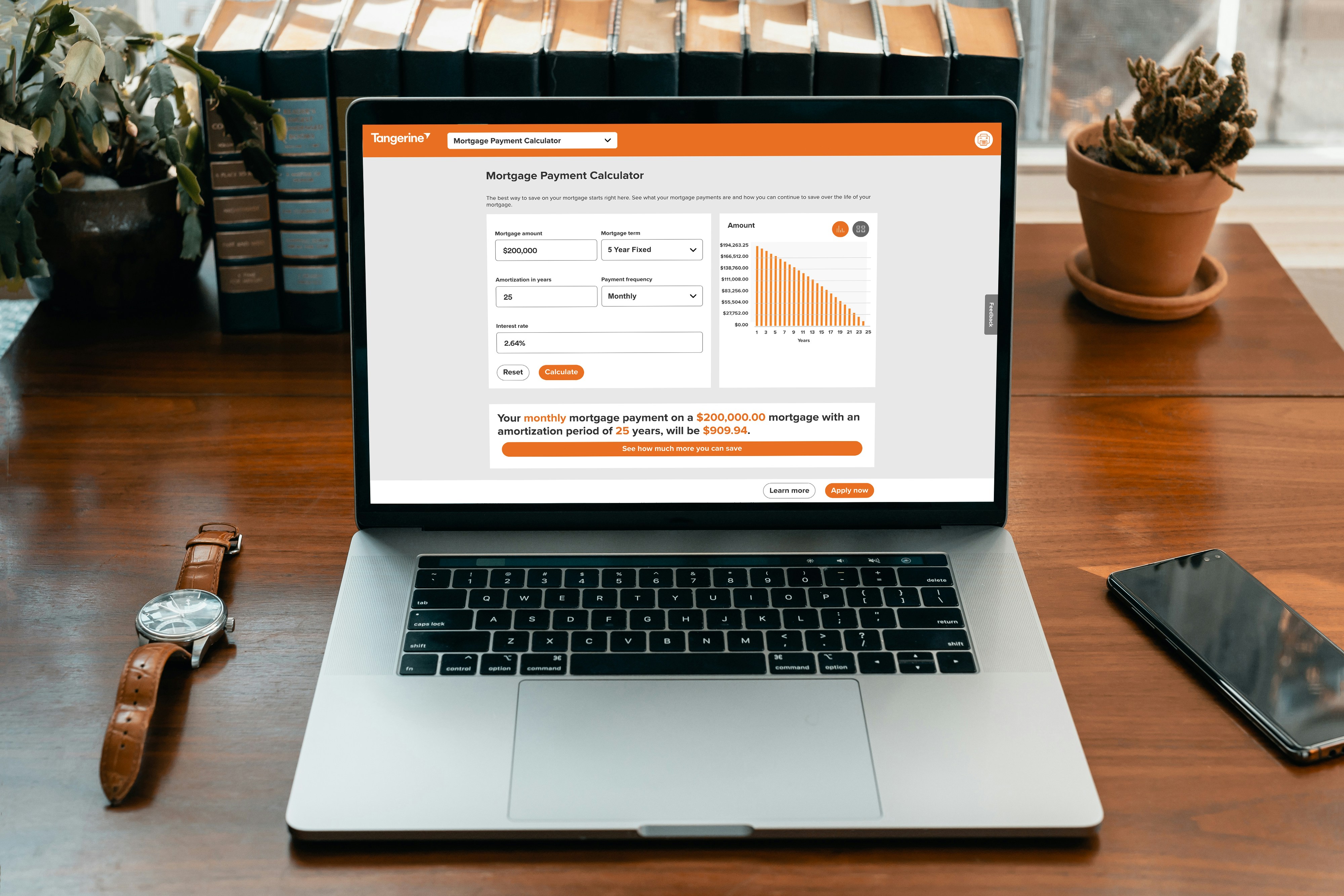
Understanding Mortgage Refinancing
Mortgage refinancing is the process through which a homeowner replaces their existing mortgage loan with a new one, often with better terms. This procedure allows homeowners to access new loans to repay their original mortgage, which can lead to significant savings over time. At its core, refinancing aims to secure lower interest rates, reduce monthly payments, or enable homeowners to tap into their home’s equity.
Essentially, the process begins with the homeowner applying for a new mortgage, where lenders assess the applicant’s creditworthiness, income, and other financial aspects. Once approved, the new loan pays off the balance of the original mortgage, thereby transferring the debt to a new lender with potentially more favorable conditions.
There are several types of refinancing options available for homeowners. The most common is a rate-and-term refinance, which seeks to reduce the interest rate or alter the loan term (the length of time to pay off the mortgage). Homeowners may also opt for a cash-out refinance, which allows them to take out a larger loan than their existing mortgage and receive the difference in cash. This can be beneficial for funding home improvements or consolidating debt.
Another option is the streamline refinance, often available for government-backed loans like FHA or VA. Streamline refinancing typically requires less documentation and can offer lower interest rates without extensive underwriting processes. Additionally, homeowners might consider limited cash-out refinancing, which generates smaller cash amounts by lowering the remaining mortgage balance without increasing the loan-to-value ratio significantly.
Ultimately, understanding the various refinancing options allows homeowners to make informed decisions aimed at improving their financial situations. By analyzing the benefits and potential drawbacks of refinancing, homeowners can determine whether this move aligns with their financial goals.
Assessing Your Current Financial Situation
The first step before considering mortgage refinancing is to thoroughly assess your current financial circumstances. This evaluation is crucial in determining whether refinancing is a suitable option for you. One of the primary factors to investigate is your credit score. Generally, a higher credit score translates to better interest rates, thus potentially leading to significant savings over the life of the loan. It is advisable to obtain a copy of your credit report and check for any discrepancies that could negatively impact your score.
Furthermore, understanding your income is essential when contemplating refinancing. Knowing your reliable income sources assists in evaluating your ability to manage your monthly mortgage payments while still covering living expenses and other financial obligations. Lenders typically prefer borrowers with a steady income stream, as it indicates financial stability.
Additionally, analyzing your debt-to-income (DTI) ratio is a critical component of this financial assessment. This ratio is calculated by dividing your total monthly debt payments by your gross monthly income. A low DTI ratio signals to lenders that you are not over-leveraged and can comfortably handle additional debt obligations, which may enhance your chances of securing favorable refinancing terms.
Lastly, a comprehensive overview of your overall financial health is necessary. This includes reviewing your savings, investments, and any other liabilities you may have. By thoroughly understanding your financial landscape, you will be better positioned to determine if refinancing will yield considerable benefits, such as reduced monthly payments or access to home equity. In essence, this assessment is foundational and will help inform your decision-making process regarding mortgage refinancing.
Determining the Right Time to Refinance
Refinancing a mortgage is a significant financial decision that can lead to considerable savings. Therefore, identifying the optimal time to refinance is crucial. One of the primary factors to consider is the prevailing market interest rates. When interest rates drop significantly below your existing mortgage rate, refinancing may yield substantial savings. Homeowners should regularly monitor these rates, as even a fractional decrease can result in thousands of dollars saved over the life of the loan.
Another pivotal factor to consider is major life changes. Events such as getting married, having a child, or relocating for a job can influence your financial circumstances and, subsequently, your mortgage options. For instance, a dual-income household may allow for a larger mortgage or the opportunity to refinance for a lower monthly payment. Job changes can also alter your long-term financial outlook, prompting a reassessment of your mortgage terms.
Additionally, significant changes in your credit score can serve as a signal to consider refinancing. A higher credit score can qualify homeowners for lower interest rates, which can be particularly beneficial for those who may have previously secured their mortgage with a lower score. If you have improved your credit standing through debt reduction or timely payments, it would be wise to explore refinancing opportunities before market conditions change.
Ultimately, precise timing and strategic planning play pivotal roles in successful mortgage refinancing. By meticulously assessing interest rates, personal circumstances, and credit standings, homeowners can make informed decisions that maximize their financial benefits and lead to substantial savings in the long run.
Researching Lenders and Mortgage Products
When considering mortgage refinancing, one of the most crucial steps involves researching lenders and mortgage products. Homeowners are encouraged to thoroughly shop around to find the most competitive offers, as this decision can significantly impact their financial future.
To start, it is essential to compare interest rates among different lenders. While a small variance in rates may appear inconsequential, over the life of the loan, even a difference of a fraction of a percent can accumulate to substantial savings. Homeowners should take the time to obtain quotes from multiple lenders, ensuring they examine both fixed-rate and adjustable-rate mortgages, as each carries distinct advantages and risks.
In addition to interest rates, it is crucial to review any associated fees when assessing different mortgage products. These can include origination fees, appraisal fees, and closing costs, all of which can affect the overall affordability of the refinancing process. Some lenders may advertise lower interest rates but compensate with higher fees, making it vital to calculate the total cost of loans rather than focusing solely on the rate itself.
Customer service is another important aspect to consider during the lender selection process. Homeowners should evaluate the responsiveness and helpfulness of loan officers during initial interactions. Clear communication and transparency can alleviate stress during the refinancing journey and result in a smoother experience.
Gathering general feedback can also benefit homeowners looking to refine their options. Online reviews and industry ratings provide insights into the experiences of previous customers and can highlight lenders who excel in service and support.
By undertaking thorough research of lenders and mortgage products, homeowners can confidently make decisions that align with their financial goals, ultimately leading to potential savings amounting to thousands over the lifespan of the new loan.
Calculating Potential Savings
For homeowners considering mortgage refinancing, understanding how to accurately calculate potential savings is essential. A key step in this process is identifying the break-even point, which helps homeowners determine how long it will take to recover the costs associated with refinancing. To calculate the break-even point, divide the total cost of refinancing by the monthly savings achieved through the new mortgage terms. This calculation provides a clearer picture of whether refinancing is a financially sound decision.
Another important aspect to analyze includes the long-term savings versus short-term costs. Homeowners should evaluate their current mortgage’s interest rate and compare it to the rate being offered with the refinance. If the new rate is significantly lower, the potential for savings increases. However, it is crucial to consider any fees related to the refinancing process, such as closing costs, appraisal fees, and other charges. Adding these costs to the total amount can affect the overall savings calculation.
Additionally, homeowners should consider the length of time they plan to stay in their home. If an individual is likely to stay in the property beyond the break-even point, refinancing may yield substantial long-term savings. Conversely, if they plan to move soon, these savings may not be realized, making refinancing a less attractive option.
In summary, calculating potential savings from refinancing involves understanding the break-even point and analyzing long-term versus short-term costs. By performing these calculations and evaluating their circumstances, homeowners can make informed decisions about whether refinancing is the right move for them. This careful approach helps ensure that refinancing ultimately contributes to their financial well-being.
Understanding Costs and Fees Involved
Refinancing a mortgage can be a beneficial decision for homeowners, yet it is essential to fully understand the costs and fees involved in the process. These expenses may significantly affect the financial advantages of refinancing, making awareness crucial for a well-informed decision.
One of the primary costs associated with refinancing is the closing costs. These fees typically range between 2% and 5% of the loan amount, depending on the lender and specific circumstances. Closing costs encompass several components such as title insurance, attorney fees, and processing fees. When considering whether to refinance, it is vital to calculate these costs as a part of the overall expense.
Another expense to consider is the appraisal fee. Lenders generally require a professional appraisal to determine the value of the home, which serves as collateral for the loan. The appraisal cost can vary widely but generally falls between $300 and $700. Understanding this fee helps homeowners anticipate overall refinancing expenditures.
Additionally, homeowners should be cautious of any prepayment penalties that might be imposed by the current lender when settling an existing mortgage. Some lenders include clauses in their loans that penalize homeowners for paying off their mortgage early within a specific period. These penalties can deter homeowners from refinancing if they are substantial.
Furthermore, there may be costs related to the new loan, including possible credit report fees or discount points. Discount points are upfront fees paid to lower the long-term interest rate on the new mortgage. Evaluating whether these upfront costs can lead to significant savings over time is essential.
Ultimately, recognizing all these costs and fees is pivotal for homeowners considering refinancing. A thorough analysis will aid in measuring the potential savings against the expenses involved, ensuring an informed and beneficial refinancing decision.
Choosing the Right Mortgage Term
When considering mortgage refinancing, selecting the right loan term is crucial in determining the financial implications for homeowners. Typically, refinancing options include shorter terms like 15 years or longer terms such as 30 years. Each option carries its own set of advantages and caveats that directly influence monthly payments and the total interest paid over the life of the loan.
A shorter-term mortgage often results in higher monthly payments due to the reduced loan duration. However, this choice significantly lowers the overall interest paid. Homeowners may find that they save thousands through the smaller amount of interest accrued over time, as the loan is paid off quicker. This option is particularly appealing for those who have stable income and are looking to build equity rapidly in their property.
Conversely, a longer-term mortgage offers lower monthly payments, which can provide financial flexibility for homeowners. This is particularly advantageous for individuals with tighter budgets or those who may prefer to allocate funds to other investments. However, the downside is that longer mortgages typically incur more interest over time, as the loan balances remain higher for an extended period. This can lead to a situation where homeowners end up paying considerably more for their home than its original purchase price.
Ultimately, the choice between a shorter and longer mortgage term should reflect a homeowner’s financial goals, current financial situation, and future plans. For example, younger homeowners who anticipate increased income in the future might lean towards a shorter term to minimize interest payments, while those nearing retirement may prefer the predictable lower payments of a longer-term loan.
Locking in Your Interest Rate
When refinancing a mortgage, one of the most crucial steps to consider is locking in your interest rate. A rate lock is a lender’s promise to hold a specific interest rate for a specified period during the refinancing process. The duration of a rate lock can vary from as little as 30 days to as long as 90 days, depending on the lender’s policy and the borrower’s needs. This component is vital because interest rates can fluctuate, and even a small change can significantly impact monthly payments and overall loan costs.
To ensure that you secure the best possible interest rate, it is essential to understand the timing and implications of locking a rate. Ideally, a borrower should keep a close watch on market trends and economic indicators that influence mortgage rates. If a favorable rate is observed, acting promptly to lock it in can save thousands over the lifespan of the loan. Additionally, being aware of the future rate outlook can help determine the best moment to lock in rates. If rates are on the rise, it may make sense to lock in immediately, whereas if they’re projected to drop, waiting could be beneficial.
It is also important to understand the terms of your rate lock. Some lenders may charge a fee for the lock or have specific terms attached, such as a requirement to close the refinance within the lock period. Borrowers should ask detailed questions to grasp all implications of their rate lock agreements fully. In practice, engaging a professional mortgage adviser can aid in navigating this complex process, thus helping homeowners optimize their refinancing decisions and secure favorable financing on their homes.
Final Steps in the Refinancing Process
As homeowners approach the conclusion of their mortgage refinancing journey, understanding the final steps is crucial for ensuring a successful transition to a new loan. After selecting a lender and gathering the necessary documentation, the next phase involves submitting the application. This step typically requires a comprehensive review of financial details, including income verification, credit scores, and existing mortgage terms. It is advisable for homeowners to ensure their credit reports are accurate and up-to-date, as this can significantly influence the loan terms offered.
Once the application is submitted, the lender will begin processing it, which may involve an appraisal of the property to determine its current market value. It is important for homeowners to be prepared for this step, as a home’s value can impact the refinancing outcome. Homeowners should consider performing a few maintenance tasks or minor upgrades to enhance curb appeal, potentially increasing the appraised value.
During this phase, homeowners may also receive a Loan Estimate (LE), which outlines the terms of the new mortgage, including interest rates, monthly payments, and associated closing costs. It is advisable to review this document carefully, ensuring all details align with prior discussions. Should there be any discrepancies, it is recommended to communicate with the lender promptly to address concerns.
As the refinancing process advances toward closing, homeowners will finalize all documentation required for the new loan. This typically includes providing the lender with updated financial information if necessary. Homeowners should also prepare for the closing meeting, where they will sign the closing disclosure and other legal documents. Bringing a valid identification and any outstanding questions will facilitate a smoother experience.
In the final stage, as homeowners finalize the refinancing process, understanding the necessary documents and procedures is vital. Ensuring good communication with the lender and being organized can result in significant savings and a successful mortgage transition.