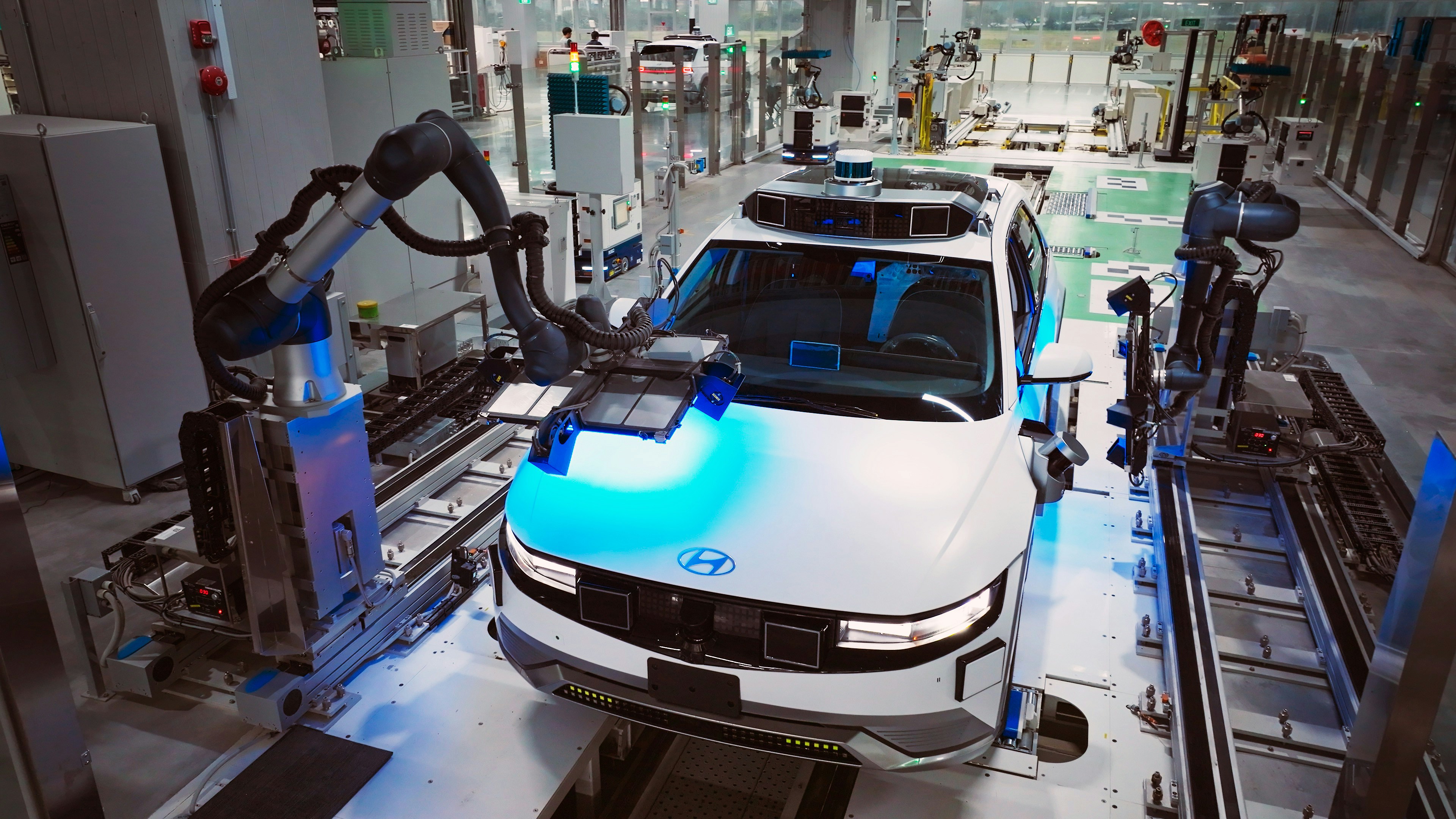
Introduction to the Automation Revolution
The automation revolution represents a transformative phase in modern society, characterized by an unprecedented integration of technology into various sectors, including manufacturing, healthcare, and services. This shift is predominantly driven by advancements in robotics, artificial intelligence (AI), and machine learning, which enable machines to perform tasks that were once solely dependent on human intelligence. As a result, businesses have increasingly turned to automation as a means of enhancing efficiency, reducing costs, and improving productivity.
At the core of the automation revolution lies the potential to revolutionize not only the economy but also the daily lives of individuals. With the ability to automate mundane and repetitive tasks, workers are freed to focus on more complex and creative endeavors, effectively redefining the workplace landscape. The deployment of intelligent machines provides innovative solutions to longstanding challenges, thereby allowing for heightened resource allocation and enhanced decision-making processes.
Furthermore, the significance of this revolution extends beyond mere convenience; it carries the weight of pressing societal implications. As automation becomes pervasive, there are growing concerns regarding the displacement of jobs and the need for substantial workforce retraining. The transition into this neo era demands responsiveness from educational institutions and policy makers to ensure that individuals can adapt to the evolving job market. Indeed, as automation continues to permeate various sectors, society risks falling behind unless proactive measures are taken to equip the future workforce with necessary skills.
In essence, the automation revolution marks a defining moment in technological evolution, reshaping the contours of society and demanding a reevaluation of human readiness for the challenges and opportunities it presents. As we explore this complex interplay further, it is crucial to engage with the ways in which these advancements are poised to impact our lives significantly.
Historical Context of Automation and Technological Advances
The journey of automation can be traced back to the Industrial Revolution in the late 18th century, when steam-powered machines began to replace manual labor in manufacturing processes. This era marked a significant turning point, as it not only changed how goods were produced but also redefined labor dynamics and societal structures. Factories emerged, mass production flourished, and the demand for skilled and unskilled workers increased dramatically.
Throughout the 19th and early 20th centuries, technological advancements continued to evolve. The introduction of electricity enabled new machinery that increased productivity and efficiency. Notable inventions such as the assembly line by Henry Ford revolutionized the manufacturing process, allowing for quick production and reduced costs. These innovations facilitated job creation, yet they also sparked concerns regarding labor displacement as machines began to take over tasks previously performed by humans.
As the century progressed, the advent of computers in the mid-20th century heralded a new era of automation. The ability to perform complex calculations and tasks rapidly transformed various industries, including finance, healthcare, and telecommunications. Robots and automated systems further enhanced productivity, leading to significant shifts in the labor market. While many traditional jobs became obsolete, new opportunities emerged, often requiring advanced technical skills.
Fast forward to the 21st century, and we find ourselves in a period dominated by artificial intelligence and machine learning. Automation today encompasses not just physical tasks but also cognitive functions, affecting a broader spectrum of jobs. The implications for productivity and society are profound; they compel us to examine how we prepare the workforce for these seismic shifts and whether current educational infrastructures can meet these emerging needs. Understanding this historical context is vital as we explore the potential future shaped by ongoing technological advancements.
The Economics of Automation: Benefits and Risks
The advent of automation is revolutionizing various sectors of the economy, presenting both promising benefits and significant risks. One of the primary advantages attributed to automation is the potential for increased operational efficiency. By automating routine tasks, businesses can enhance productivity, leading to reduced operational costs and improved profitability. Statistics indicate that companies incorporating robotic process automation experience productivity boosts of up to 30%, allowing them to allocate resources towards innovation and strategic initiatives.
Furthermore, the implementation of automation technologies can result in higher-quality products and services. Machines often outperform human workers in tasks requiring precision and consistency, thereby enhancing the overall customer experience. For example, automated systems in manufacturing can maintain constant quality standards, which is crucial for competitive market positioning.
However, alongside these economic benefits, automation poses significant risks that cannot be overlooked. One of the most pressing concerns is the displacement of the workforce. As machines and algorithms increasingly handle tasks traditionally performed by humans, there is a growing fear of widespread job loss, particularly in low-skilled sectors. According to a report by the World Economic Forum, it is estimated that by 2025, 85 million jobs may be displaced by a shift in labor between humans and machines.
Moreover, automation exacerbates income inequality, as those possessing skills relevant to the new automation landscape are likely to thrive, while low-skilled workers may face declining opportunities. This disparity could lead to a polarized labor market, further entrenching economic divides. As we navigate this critical juncture in the economy, it is vital to weigh the benefits of automation against its potential societal consequences, ensuring that equitable solutions are explored to mitigate its adverse effects.
Jobs in the Age of Automation: Displacement vs. Creation
The advent of automation is profoundly reshaping the labor market, prompting widespread discourse on its implications for job roles. A significant concern is the theory of job displacement, where automation replaces human labor, leading to increased unemployment. Various sectors, particularly manufacturing and retail, have already experienced notable reductions in traditional positions due to the implementation of robotic technologies and algorithmic efficiencies. For instance, automated assembly lines have enabled companies to produce goods faster and at a lower cost, yet this efficiency often comes at the expense of human jobs.
Conversely, the narrative surrounding automation also highlights the creation of new job opportunities. As certain roles become obsolete, there is a rising demand for positions that require advanced technological skills. Examples include data analysts, AI specialists, and robotics maintenance technicians. The transformation within industries necessitates a workforce adept at collaborating with sophisticated systems. Educational institutions and industries are increasingly recognizing the need for reskilling and upskilling initiatives to prepare workers for this new landscape.
Additionally, sectors like healthcare and information technology are witnessing a surge in job growth, driven by automation. The integration of electronic health records and telemedicine has not only improved patient care but also created roles for specialists in data management and cybersecurity, areas that didn’t exist a couple of decades ago. As industries evolve, the skills required are also shifting; adaptability, critical thinking, and proficiency in the use of digital tools are becoming vital attributes for prospective employees. Furthermore, the interaction between humans and machines is set to redefine job categories, fostering a collaborative work environment.
Ultimately, the challenge lies in balancing the immediate effects of job displacement with the potential for job creation. As we navigate this automation revolution, embracing change while focusing on skill development will be crucial for ensuring a resilient workforce ready for the neo era.
Human Readiness: Skills for the Neo Era
The advent of automation and artificial intelligence has fundamentally transformed the labor market, ushering in what is often referred to as the Neo Era. As machines increasingly take over repetitive tasks, the demand for uniquely human skills becomes more paramount. To navigate this transition, it is essential for the workforce to embrace a mindset of continuous learning, necessitating both upskilling and reskilling initiatives aimed at preparing individuals for new roles in an automated world.
Upskilling refers to enhancing existing skills while reskilling involves learning entirely new ones, both of which are vital as technological advancements swiftly change job requirements. Educational institutions, corporations, and government initiatives are prioritizing the development of programs focused on equipping individuals with skills pertinent to future industries. These include data analysis, digital literacy, emotional intelligence, and problem-solving abilities—skills that are less likely to be automated and are often in high demand.
Moreover, trends indicating a shift in education methodologies are emerging. More emphasis is being placed on experiential learning, encouraging students and current employees alike to engage in hands-on experiences that foster adaptability and critical thinking. Online courses and boot camps have proliferated, providing flexible options to learn vital skills in a convenient manner. This has allowed individuals from various backgrounds to upgrade their skill sets without the traditional barriers associated with formal education.
In order to harness the full potential of these initiatives, collaboration between industry stakeholders and educational bodies is crucial. By fostering partnerships that align training initiatives with the needs of employers, the workforce can become a better fit for an increasingly automated job market. It is clear that to face the challenges posed by automation, a collective effort towards human readiness is not only imperative but essential for ensuring a sustainable and productive future in the Neo Era.
Ethical Considerations of Automation
The rapid advancement of automation technology has generated substantial discussions about its ethical implications. One of the primary concerns revolves around privacy issues associated with the vast amount of data collected by automated systems. As these systems increasingly monitor and analyze individual behavior, the potential for invasion of personal privacy escalates. Data protection protocols must be robust to safeguard individual privacy rights, raising questions regarding the adequacy of current frameworks.
Additionally, the use of artificial intelligence (AI) in decision-making processes poses significant ethical dilemmas. Automated systems are designed to make decisions that can directly impact human lives, from hiring practices to medical diagnoses. The opacity inherent in many algorithms can lead to biases, unintentional discrimination, and unforeseen consequences. Therefore, it is imperative to establish accountability within AI frameworks, ensuring that humans maintain oversight over critical decisions.
The moral responsibility of technology creators also comes into focus as automation continues to evolve. Developers and organizations must consider the societal implications of their innovations. When creating automated systems, ethical guidelines should be implemented, emphasizing fairness, transparency, and accountability. Those who design and deploy these technologies carry the responsibility of ensuring that their applications do not undermine public trust or exacerbate inequality. Technology creators, thus, play a fundamental role in guiding the ethical landscape of automation.
Finally, the broader societal impact of increasing automation warrants thorough examination. Automation has the potential to improve efficiency and productivity; however, it can also disrupt job markets and contribute to socioeconomic disparities. Addressing these challenges requires a collective effort to rethink education, workforce development, and social safety nets as society navigates the evolving landscape shaped by automation.
The Role of Policy and Governance in Automation
As automation technologies continue to advance, the role of policy and governance has become increasingly critical in managing this transition. Governments around the world are tasked with creating frameworks that not only foster innovation but also mitigate potential adverse effects on employment and social structures. Proactive governance is essential to ensure that the benefits of automation are equitably distributed across various sectors of society.
One of the primary challenges associated with the rise of automation is its impact on the labor market. Many jobs are at risk of being displaced, particularly in manufacturing and service industries. Policymakers must respond by developing strategies that support retraining and reskilling initiatives for workers whose roles may become obsolete due to automation. This can be achieved through collaboration with educational institutions and businesses to design curricula that meet the evolving needs of the labor market.
Additionally, regulations need to be established to oversee the integration of automation into various industries. This includes creating guidelines that address ethical considerations, such as transparency and accountability in the use of automated systems. Such measures ensure that technology is implemented responsibly and reduces the risk of discrimination or bias resulting from algorithmic decision-making.
Moreover, social safety nets play a vital role in protecting workers during the transition to an automated economy. Governments should consider policies like universal basic income or enhanced unemployment benefits to provide financial support for those affected by automation. These measures not only help maintain economic stability but also promote public trust in the transition to a more automated and technology-driven society.
In summary, the effective governance of automation is essential for shaping a future that is inclusive and just. Policymakers must prioritize proactive strategies that address the challenges and opportunities presented by automation, ensuring that workers are supported as they navigate the complexities of a new economic landscape.
Global Perspectives on Automation Readiness
The rapid progression of automation technology presents varying degrees of readiness among countries, influenced by diverse economic, social, and cultural paradigms. Across the globe, nations are grappling with the implications of automation on labor markets and societal structures.
For instance, in advanced economies such as Germany and Japan, the integration of automation in industries has been strategically embraced. These countries leverage their robust technological infrastructure and skilled workforce to enhance productivity while investing significantly in employee retraining programs. Germany’s „ Industry 4.0” initiative exemplifies this trend, promoting collaboration between humans and machines, thereby ensuring that the workforce adapts dynamically to shifts induced by automation.
Conversely, developing nations often face challenges in match-matching their skill sets with the demands of an increasingly automated economy. In regions like Southeast Asia, the risk of unemployment looms large, as many jobs are vulnerable to automation. However, countries such as Singapore are actively addressing this through government-led initiatives aimed at upskilling workers, thus positioning the workforce to thrive alongside automated systems.
Another compelling case study is that of India, where automation is slowly being integrated into sectors such as manufacturing and services. While this transition promises efficiency, it also raises concerns regarding job displacement among unskilled laborers, prompting discussions on the necessity for social safety nets and job transition programs.
By examining these diverse approaches to automation readiness globally, it becomes evident that the implications of automation are not uniform. Countries’ individual readiness reflects a complex interplay between economic capabilities, policy decisions, and cultural attitudes towards technological advancement. This multifaceted landscape underscores the importance of tailored strategies that consider local contexts while embracing the inevitable shift towards a highly automated future.
Conclusion: The Path Forward in the Neo Era
The automation revolution signifies a transformative phase in which technology reshapes the workplace and society at large. As outlined in previous sections, humans stand at a critical juncture, facing both opportunities and challenges posed by automation. Key insights reveal that understanding automation’s impact on employment, economic structures, and daily life is imperative for ensuring a smooth transition into this neo era.
Individuals must prioritize adaptability and continuous learning, as skills increasingly must align with the demands of an automated workforce. Embracing technology and acquiring new competencies will be essential for thriving in an evolving job landscape. Furthermore, fostering a mindset open to change will enable individuals to leverage technological advancements rather than resist them.
Organizations also bear a significant responsibility in navigating this transition. By proactively investing in employee development and training programs, companies can ensure that their workforce is equipped to adapt to emerging technologies. Encouraging collaboration between humans and machines will not only boost productivity but also enhance job satisfaction, as employees become partners in innovation.
Policymakers play a crucial role in shaping a supportive environment for this evolution. Implementing educational reforms that emphasize STEM and digital literacy, as well as creating safety nets for displaced workers, will be vital. Crafting policies that promote equitable access to technology will help bridge existing gaps and inspire confidence in the automation revolution.
In conclusion, navigating the neo era requires a collective effort from individuals, organizations, and policymakers alike. By embracing change, fostering collaboration, and championing education and inclusion, society can harness the full potential of automation, ensuring a future where technology and humanity coexist productively.