Understanding Mortgage Basics
A mortgage is a financial tool used to purchase residential or commercial property, wherein a borrower agrees to repay a loan over a set period, typically involving the property as collateral. In this arrangement, the borrower borrows funds from a lender—usually a bank or a specialized financial institution—and in return, agrees to repay the principal amount plus interest. Understanding the foundational concepts of mortgages is critical for prospective homebuyers in Canada.
One of the key components of a mortgage is the principal, which refers to the initial amount borrowed from the lender. This is the sum that needs to be repaid over the loan term. Interest is another essential term; it represents the cost of borrowing the principal, typically expressed as an annual percentage rate (APR). This rate can vary based on market conditions, the borrower’s creditworthiness, and the specific terms of the loan.
The process of paying back a mortgage over time is structured through amortization. The amortization schedule outlines how much of each payment goes towards paying off the principal as opposed to the interest. A longer amortization period, such as 25 or 30 years, may result in lower monthly payments, but also increases the total interest paid over the life of the loan. Understanding the nuances of these terms aids prospective homebuyers in making informed decisions about how much they can ultimately borrow.
For borrowers in Canada, the borrowing process involves evaluating these fundamental concepts to determine what mortgage options are available and what they can afford. Familiarity with mortgage basics assists in navigating offers from lenders and understanding the associated financial responsibilities.
Factors That Affect Mortgage Amounts
Determining how much a borrower can secure for a mortgage in Canada relies on several critical factors. Understanding these elements is essential for individuals looking to navigate the mortgage landscape effectively.
First and foremost, income plays a pivotal role. Lenders typically assess the borrower’s gross income to ensure that the mortgage payments can be managed alongside existing financial obligations. A higher income often translates into a greater borrowing capacity, enabling homeowners to consider properties that may be above their initial budget.
Next, credit score is a significant consideration. Lenders use this numeric representation of one’s creditworthiness to evaluate the risk of lending money. A higher credit score can lead to favorable interest rates and increased borrowing limits, whereas a lower score may restrict access to certain loan products or require a larger down payment to mitigate risk.
Additionally, the down payment amount directly influences the mortgage amount a borrower can receive. In Canada, the minimum down payment can vary based on the purchase price, with higher costs requiring greater contributions. A larger down payment reduces the overall loan-to-value ratio, which not only enhances borrowing capacity but may also lower monthly mortgage insurance expenses.
Lastly, the debt-to-income (DTI) ratio is crucial. This ratio compares an individual’s total monthly debt payments to their gross monthly income. Lenders generally prefer a DTI of 43% or lower, as higher ratios may indicate financial strain. To determine how much you can borrow for a mortgage in Canada, it’s essential to evaluate these elements holistically, as they collectively shape lending decisions and borrower eligibility.
Mortgage Guidelines in Canada
In Canada, various guidelines dictate the terms and conditions under which individuals can obtain a mortgage. These regulations, established by financial institutions and the federal government, serve to maintain a stable housing market and ensure responsible lending practices.
One critical component of the mortgage guidelines is the stress test, which assesses a borrower’s ability to manage their mortgage payments in the potential event of rising interest rates. This test requires prospective homeowners to qualify at a higher rate than what they are likely to pay. Specifically, buyers must demonstrate that they can afford payments based on the Bank of Canada’s five-year benchmark rate or their contracted mortgage rate + 2%. By implementing this strategy, lenders aim to protect both the borrower and themselves against unforeseen financial strains.
Another significant metric is the loan-to-value (LTV) ratio, which assesses the amount of the mortgage in relation to the appraised value of the property. In general, Canadian lenders favor an LTV below 80%, which allows for a conventional mortgage without requiring default insurance. If a borrower exceeds this threshold, mortgage default insurance becomes mandatory, ensuring that lenders are protected against potential losses.
Additionally, there are maximum borrowing limits established by both provincial and federal regulations. These limits often vary based on a borrower’s income, credit history, and the overall financial climate. Consequently, understanding these benchmarks can be crucial for potential homebuyers, allowing them to make informed decisions regarding their purchasing power.
Ultimately, familiarizing oneself with the mortgage guidelines in Canada prepares potential buyers for navigating the complexities of the property market, ensuring that they remain financially secure while pursuing homeownership.
Understanding Mortgage Affordability
Determining how much you can borrow for a mortgage in Canada is an essential step in the home-buying process. This calculation is influenced by several financial factors, whose evaluation is crucial for establishing a realistic budget. One main consideration is your income, which should be stable and sufficient to support the mortgage payments, taxes, and potential insurance premiums.
To assess your mortgage affordability, the Gross Debt Service (GDS) and Total Debt Service (TDS) ratios are often utilized. The GDS ratio measures how much of your income will go towards housing costs, including mortgage payments, property taxes, and heating costs. A common guideline suggests that this ratio should not exceed 32% of your gross income. Conversely, the TDS ratio accounts for all debt expenses, including car loans and credit card payments, typically not exceeding 40% of your income.
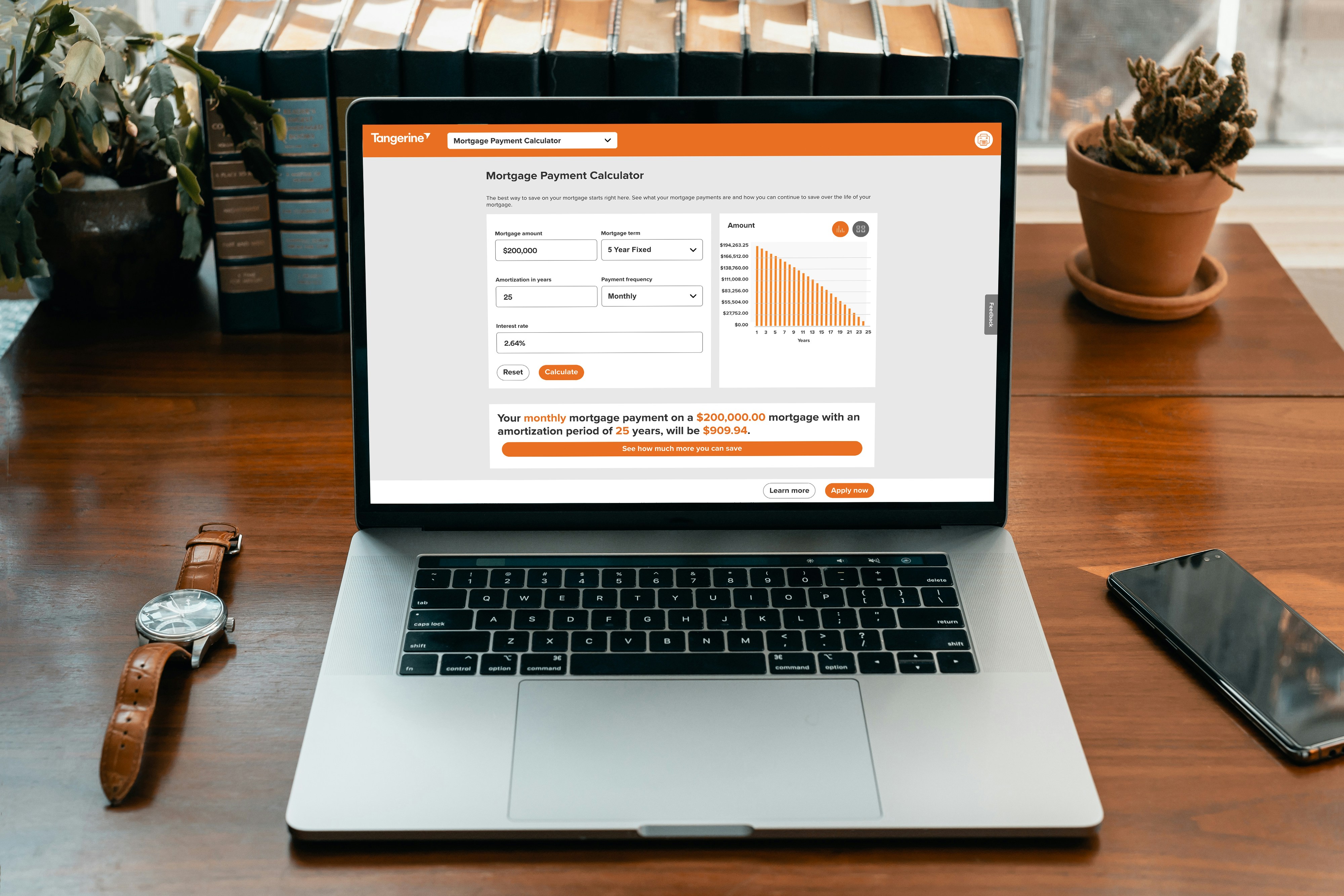
Using mortgage calculators can greatly simplify this calculation. These online tools allow you to input your income, existing debts, and down payment amounts to provide a clear estimate of how much mortgage you can afford. Additionally, they often incorporate different interest rates and amortization periods, allowing for a thorough exploration of potential scenarios.
Moreover, it is advisable to budget for additional costs associated with homeownership, such as maintenance, utilities, and homeowner association fees. Setting aside a percentage of your monthly budget for these costs can help you maintain financial stability even after purchasing your home. Ultimately, a careful assessment of your financial situation, combined with professional mortgage advice if needed, can lead to a well-informed decision regarding your mortgage affordability in Canada.
The Importance of Credit Scores in Mortgage Borrowing
In Canada, an individual’s credit score plays a pivotal role in the mortgage borrowing process. Credit scores are numerical representations of an individual’s creditworthiness, which lenders assess to determine the risk involved in offering a mortgage. Generally, a good credit score typically ranges from 660 to 900, with higher scores reflecting a lower probability of defaulting on a loan. Consequently, those with elevated credit scores may successfully secure a larger mortgage amount and benefit from more favorable mortgage rates.
Mortgage rates are directly influenced by one’s credit score. Lenders often offer lower interest rates to borrowers with higher credit scores as they are perceived as lower risks. Conversely, prospective homeowners with poor credit ratings, usually below 600, may face higher interest rates or difficulty obtaining a mortgage altogether. It highlights the necessity of understanding one’s credit status before embarking on the borrowing process.
Improving a credit score is a crucial step for individuals looking to enhance their mortgage borrowing capabilities. There are several strategic measures that potential borrowers can take to boost their credit scores. First, ensuring timely payment of existing debts is vital, as payment history constitutes a significant portion of the credit scoring model. Next, reducing overall credit utilization by maintaining low balances relative to credit limits plays a crucial role in demonstrating financial responsibility. Lastly, regularly checking credit reports for inaccuracies can help rectify errors that may adversely affect the score. By actively managing these elements, individuals can improve their credit standing before applying for a mortgage, thus potentially unlocking higher borrowing capacities in Canada.
Types of Mortgages Available in Canada
In Canada, borrowers have access to several types of mortgages to suit their financial needs and preferences. Understanding these different mortgage types is crucial for making an informed decision when considering how much to borrow. The three most common types of mortgages are fixed-rate mortgages, variable-rate mortgages, and high-ratio mortgages.
A fixed-rate mortgage is characterized by a consistent interest rate throughout the term of the loan, typically spanning five years. This stability allows borrowers to plan their budgets effectively, as their monthly payments will remain unchanged. However, the main drawback is that fixed-rate mortgages often come with higher initial rates compared to their variable-rate counterparts. Additionally, if market rates decline, borrowers might miss out on potential savings.
In contrast, a variable-rate mortgage features an interest rate that fluctuates based on changes in the market. The initial interest rates tend to be lower than fixed-rate options, making them attractive to many borrowers. However, the uncertainty in rates can lead to unpredictable monthly payments, which may complicate budgeting efforts. Furthermore, if rates rise significantly, borrowers could face increased financial strain.
High-ratio mortgages are designed for borrowers who have a down payment of less than 20% of the property’s value, necessitating mortgage default insurance. This insurance ensures that lenders are protected against potential defaults. While high-ratio mortgages can facilitate homeownership for many Canadians, they may come with higher premiums and additional costs.
Choosing the right type of mortgage is essential for managing financial obligations responsibly. Each option has its advantages and disadvantages, and a careful consideration of personal circumstances and market conditions will help determine the most suitable choice for prospective borrowers in Canada.
Role of Down Payments in Mortgage Approval
In Canada, the process of securing a mortgage begins with understanding the importance of down payments. A down payment is the initial sum of money a borrower pays towards the purchase price of a home. It plays a pivotal role in determining not just the approval of the mortgage but also the terms and conditions attached to it. For many Canadians, especially first-time homebuyers, knowing these parameters can significantly impact their financial planning.
The minimum down payment required in Canada depends largely on the property’s purchase price. When a home is valued at $500,000 or less, borrowers must provide at least 5% of the purchase price as a down payment. For homes priced above $500,000, the minimum threshold increases, requiring 5% on the first $500,000 and 10% on any amount above that. This tiered approach means that a larger down payment may be necessary for more expensive properties, impacting overall borrowing eligibility.
The size of the down payment can also influence the total amount a borrower can qualify for. A larger down payment reduces the loan-to-value ratio (LTV), which is a key factor in mortgage calculations. A lower LTV signals to lenders that the borrower has more equity in the home, potentially leading to better interest rates and terms. Conversely, a smaller down payment could result in the need for mortgage default insurance, which adds to the overall borrowing costs.
For first-time homebuyers, creative solutions are often sought to meet down payment requirements. Government programs and assistance can provide options like the First-Time Home Buyer Incentive, which aids in making homeownership more attainable. Understanding these various pathways is crucial for Canadians looking to secure their mortgage while navigating the often complex home purchasing landscape.
When navigating the mortgage landscape in Canada, individuals often find themselves deliberating between getting assistance from a mortgage broker or directly approaching a bank. Each option presents its own set of benefits and drawbacks that can significantly affect the mortgage experience.
Mortgage brokers act as intermediaries between borrowers and lenders, providing access to a wide array of mortgage products from various lenders. One of the primary advantages of working with brokers is their ability to offer personalized service and tailored mortgage solutions based on the unique financial situation of the borrower. They often possess a deep understanding of the market and can help clients find competitive interest rates and terms that they may not access through their bank. Furthermore, brokers typically save borrowers time by handling much of the paperwork and negotiations with lenders.
However, it is important to consider that brokers may charge fees for their services, which could impact the overall cost of obtaining a mortgage. Additionally, while they strive to present the best options, brokers may have agreements with certain lenders that influence their recommendations, possibly leading to a limited range of choices for the borrower.
On the other hand, obtaining a mortgage directly through a bank can be more straightforward, especially for individuals who already have established relationships with their banks. Banks usually offer simpler, direct communication and may provide loyalty benefits or incentives for existing customers. However, one might face limitations in available mortgage products, as banks typically present their own offerings rather than the wider spectrum available through brokers.
In conclusion, both mortgage brokers and banks offer distinctive paths for securing a mortgage in Canada, and the ideal choice often depends on personal preferences and circumstances. It is advisable for potential borrowers to assess their own needs and financial situations before deciding which route to pursue.
Next Steps After Knowing Your Borrowing Capacity
Understanding your borrowing capacity is an important step in the home buying process in Canada, but it is just the beginning of your journey. Once you have a clear idea of how much you can borrow, the next steps should be taken carefully to ensure a smooth mortgage application process. Firstly, it is crucial to prepare for mortgage applications by assessing your financial health. Take stock of your credit score and outstanding debts, as these factors significantly influence mortgage eligibility and interest rates.
Next, gather all necessary documents needed for your mortgage application. This typically includes proof of income, recent bank statements, tax returns, and identification. Having these documents readily available will not only streamline your application but also demonstrate your seriousness to potential lenders.
Moreover, consider seeking pre-approval for your mortgage. This process allows lenders to evaluate your financial status and provides a more accurate estimate of how much money you can borrow. Pre-approval has several benefits; it locks in your interest rate for a specified period and gives you a competitive edge when bidding for a property. Sellers often prefer buyers who are pre-approved as it indicates a genuine intent to purchase.
Furthermore, researching different mortgage products and rates ahead of time can save you both time and money. Take the opportunity to compare lenders and understand any fees associated with your mortgage option. All these steps will culminate in a stronger position when you begin your home search, making it essential to take the necessary actions after knowing your borrowing capacity before entering into the real estate market.