Understanding Interest Rates and Their Impact on Mortgages
Interest rates represent the cost of borrowing money, influenced by various factors including central bank policies, inflation, and economic conditions. In Canada, the Bank of Canada (BoC) plays a crucial role in determining these rates. By adjusting the overnight rate, the BoC indirectly influences the interest rates that financial institutions offer, which affects consumer loans, including mortgages.
The connection between central bank policies and mortgage interest rates is significant. When the BoC raises or lowers the overnight rate, it sets in motion a chain reaction that affects everything from credit card rates to mortgage loans. For example, if the BoC decides to increase the overnight rate to combat inflation, banks typically respond by raising their mortgage rates. This increase can lead to higher monthly payments for homeowners opting for variable-rate mortgages, as the rates fluctuate with market conditions.
Understanding the differences between fixed and variable mortgage rates is essential for potential homebuyers. A fixed-rate mortgage maintains the same interest rate throughout the loan term, providing stability and predictability in monthly payments. Conversely, a variable-rate mortgage can change with market interest rates, leading to lower initial payments but potential increases over time. The choice between these two options can significantly impact financial planning, especially during periods of rising interest rates.
In summary, the determination of interest rates stems from a complex interplay of various economic factors and policies enacted by the central bank. Understanding how these rates affect mortgage options is critical for homeowners and prospective buyers in evaluating the financial implications of their mortgage decisions.
Current Trends in Interest Rates in Canada
Interest rates in Canada have experienced notable fluctuations in recent years, significantly impacting the mortgage landscape across the country. As of October 2023, the Bank of Canada has raised its key interest rate several times in response to increasing inflationary pressures and robust economic growth. The current benchmark rate stands at 5.00%, which marks an increase from the historically low levels recorded in 2020 and 2021, where rates were near zero to stimulate the economy during the COVID-19 pandemic.
The trend of rising interest rates can be traced back to a combination of factors, including increasing consumer spending, higher commodity prices, and labor market tightness. Specifically, inflation rates have surged, resulting in the Bank of Canada taking more aggressive measures to rein in price growth. Data indicates that the annual inflation rate was around 4.5% in September 2023, well above the central bank’s target range of 1% to 3%. As a response, the Bank of Canada has adopted a tightening monetary policy to curb inflation, leading to successive rate hikes throughout 2022 and 2023.
Historically, interest rates have shown a cyclical pattern in Canada, often rising in response to inflationary trends and economic expansion. The last significant tightening phase occurred between 2017 and 2018 when rates peaked at 1.75%. Presently, economists highlight a critical turning point in the interest rate cycle; as central banks worldwide grapple with inflation while aiming to avoid stalling economic growth. According to recent forecasts, interest rates could potentially rise further, depending on the trajectory of inflation and global economic conditions.
How Rising Interest Rates Affect Monthly Mortgage Payments
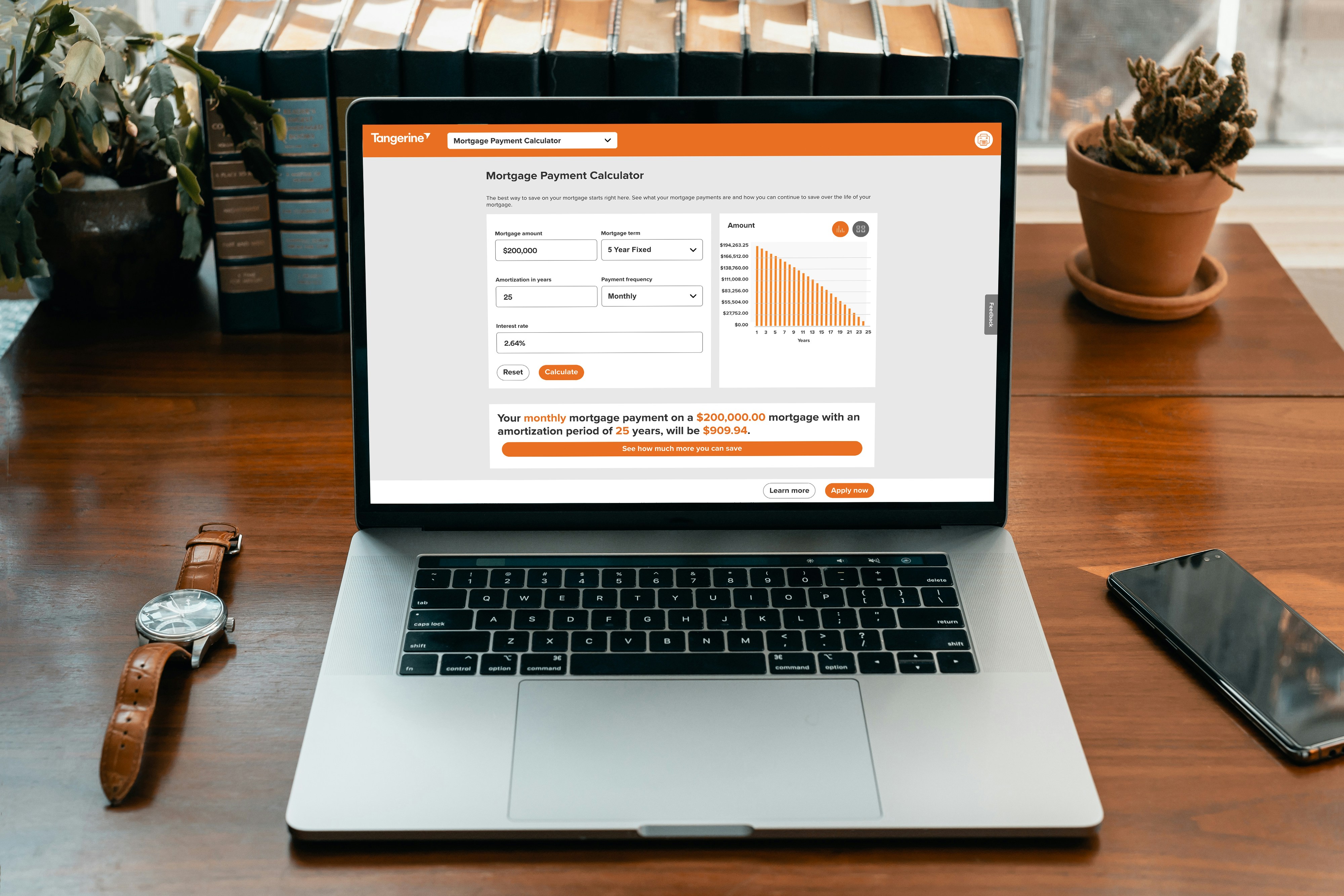
Rising interest rates significantly impact monthly mortgage payments, directly influencing the cost of borrowing for homebuyers. When interest rates increase, the amount paid in interest over the life of the loan escalates, thereby raising monthly obligations. For individuals considering a new mortgage, understanding this relationship is essential for financial planning.
To illustrate the effect of increased interest rates, let’s consider an example. Assume a borrower takes out a $300,000 mortgage with a 25-year term. If the interest rate stands at 3%, the monthly payment would be approximately $1,419. In contrast, should the rate rise to 5%, the monthly payment escalates to about $1,755, reflecting a difference of $336. Over the life of the mortgage, this seemingly small increase in rates translates to a significant financial burden.
For existing mortgage holders, the impact of rising interest rates may be less immediate if they are locked into a fixed-rate mortgage. However, those with variable-rate mortgages will see instant changes in their monthly payments. If the rates go up, these borrowers may find themselves paying considerably more. For instance, a shift from 3% to 5% could elevate payments substantially, making budgeting for monthly expenses a greater challenge.
Borrowers should also consider how longer terms may offset rising rates. A longer amortization period, while decreasing monthly payments, does increase the total interest paid over time. Hence, while shorter terms often have lower overall costs, they require higher monthly outlays.
As interest rates continue to fluctuate, prospective and current homeowners need to stay vigilant about how these changes affect their personal finances. It is advisable to review mortgage terms regularly and consider consulting financial professionals to adapt strategies accordingly.
Impact on Homebuyers and the Housing Market
The rise in interest rates has significant implications for homebuyers and the broader housing market in Canada. Higher interest rates typically lead to increased borrowing costs, which can directly impact a prospective homebuyer’s ability to finance a home purchase. For many first-time buyers, these elevated rates may result in higher monthly mortgage payments, subsequently affecting their purchasing power and overall affordability.
As mortgage rates climb, the dream of homeownership can become increasingly elusive for individuals and families, particularly those entering the market for the first time. Buyers may find themselves compelled to adjust their expectations, either by seeking homes in lower price ranges or delaying their plans altogether. This adjustment period can lead to decreased urgency among potential buyers, as higher costs may instill a sense of hesitation and caution.
Moreover, buyer sentiment is adversely affected by rising interest rates. Many buyers may anticipate further increases in rates, leading them to adopt a “wait and see” approach. This behavior can create a temporary pause in demand across the housing market, ultimately influencing overall sales activity and property values. A decreased demand could stabilize or lower home prices, reshaping market dynamics that previously favored sellers.
The implications of rising interest rates extend beyond individual buyers; they also impact the housing market’s overall health. A significant portion of economic activity in Canada is tied to the real estate sector. A slowdown in home sales can lead to reduced consumer spending on goods and services associated with moving and homeownership, further impacting the economy.
In conclusion, the rising interest rates pose challenges for homebuyers, particularly first-time purchasers, by diminishing affordability and altering buyer sentiment. The wider housing market may also experience reduced demand, influencing both property values and economic activity as a whole.
Effects on Refinancing Options for Homeowners
As interest rates rise, many Canadian homeowners may find that their refinancing options become increasingly limited. Refinancing is often pursued by homeowners to lower their monthly mortgage payments, consolidate debt, or access home equity. However, higher interest rates can significantly impact the feasibility and desirability of refinancing. Homeowners should be prepared to navigate these challenges effectively.
One significant effect of rising interest rates is the increased cost of new mortgage loans. When the Bank of Canada raises rates to control inflation, it directly influences fixed and variable mortgage rates. Consequently, homeowners looking to refinance may face higher interest rates than their current mortgage, which could negate the benefits of refinancing. It is crucial for homeowners to assess whether the potential savings from refinancing outweigh the increased costs associated with higher rates.
Additionally, rising interest rates might tighten lending standards. Lenders often become more cautious, which can lead to more stringent qualification criteria for refinancing. Homeowners with lower credit scores or higher debt-to-income ratios may find themselves unable to qualify for the refinancing deals they previously could. To overcome this barrier, homeowners should focus on improving their credit score and reducing overall debts prior to initiating a refinancing application.
To navigate these tightening interest conditions, homeowners should also explore alternative strategies. For instance, some may consider refinancing to a shorter loan term, potentially allowing them to benefit from lower total interest paid over the life of the loan. Others might seek advice from financial advisors to identify suitable refinancing products tailored to their financial situation. Staying informed about market trends and understanding the dynamics of mortgage rates will empower homeowners to make informed decisions in a challenging environment.
The Role of Bank of Canada in Interest Rate Changes
The Bank of Canada plays a pivotal role in managing the nation’s monetary policy, primarily influencing interest rates and, consequently, mortgage rates across the country. Its primary objective is to maintain price stability, which is essential for promoting economic growth and consumer confidence. This stability is usually measured by targeting an inflation rate of around two percent, as such an environment fosters a stronger economy. The Bank achieves this indirectly through adjustments to the overnight rate, the interest rate at which major financial institutions lend to each other.
When the economy experiences inflationary pressures, the Bank of Canada may decide to increase interest rates. By doing so, it aims to curb spending and borrowing, thereby stabilizing prices. Higher interest rates lead to increased costs for borrowers, including mortgage holders, as lenders pass on these increased rates. Conversely, if the economy is growing too slowly and inflation is below the target, the Bank may opt to lower interest rates to stimulate spending and investment. Such actions would lead to more affordable mortgage rates, encouraging home purchases and refinancing.
The Bank of Canada also analyzes various economic indicators, such as employment rates, consumer spending, and housing market trends, to guide its decisions on interest rates. These analyses ensure that the monetary policy aligns with the overall economic environment. In recent years, the Bank has had to navigate significant global economic uncertainties while adjusting rates to maintain both economic stability and confidence in the housing market. Understanding the Bank of Canada’s strategies is crucial for Canadian homeowners and potential buyers, as these policies directly impact mortgage rates and borrowing costs.
Protecting Yourself from Rising Interest Rates: Tips for Borrowers
The increasing interest rates in Canada necessitate that borrowers adopt proactive measures to safeguard their financial well-being. One effective strategy involves locking in mortgage rates, especially if the borrower is considering a fixed-rate mortgage. By securing a rate ahead of time, borrowers can shield themselves from potential future increases that could escalate their monthly payments.
When selecting a mortgage product, understanding the variety of available options is essential. Borrowers should evaluate fixed-rate versus variable-rate mortgages, as each has distinct implications under rising interest conditions. Fixed-rate mortgages offer stability and predictability in payments, whereas variable-rate mortgages could lead to cost fluctuations based on market movements. For those who prefer consistency in their financial planning, choosing a fixed-rate mortgage might prove beneficial in turbulent times.
In addition to rate selection, establishing a comprehensive budget is crucial. Borrowers should factor in potential interest rate hikes when calculating their affordability. This means having a contingency plan for increased payments, especially if they currently hold a variable-rate mortgage. Assessing current spending habits and identifying areas for savings can create a comfortable financial cushion that will ease the burden of any rate increase.
Furthermore, maintaining a good credit score is significantly advantageous, as it enables borrowers to qualify for better mortgage terms and rates. By ensuring timely payments on existing debts and avoiding unnecessary credit inquiries, borrowers can improve their credit profiles and decrease the overall cost of borrowing.
By implementing these prudent strategies, Canadian mortgage borrowers can successfully navigate the challenges posed by rising interest rates, ensuring that their housing costs remain manageable in an evolving economic landscape.
Future Predictions for Interest Rates in Canada
As the Canadian economy continues to evolve, experts are paying close attention to future interest rate trajectories. Various factors play a significant role in shaping these rates, including economic growth forecasts, central bank policy decisions, and prevailing market conditions. Following the latest data from the Bank of Canada, many economists anticipate a gradual increase in interest rates over the next few years. This projection is largely tied to the need to combat inflationary pressures that have been observed in recent months.
A fundamental aspect that influences interest rates in Canada is the economic growth outlook. Should Canada experience robust economic expansion, this could necessitate further rate hikes as the Bank of Canada aims to ensure price stability. Conversely, if growth slows significantly, the central bank may reconsider its stance, potentially opting for a more accommodative approach. Therefore, the balance between growth and inflation is pivotal in determining the direction of interest rates.
Moreover, government fiscal policies and labor market conditions are likely to impact monetary policy decisions. Employment levels have steadily improved, and a tightening labor market may lead to wage increases, fueling consumer spending and, consequently, inflation. It is important to recognize that central banks are required to navigate these dynamics carefully; sudden policy shifts could lead to market volatility.
In summary, while predicting the exact trajectory of interest rates is challenging, the prevailing consensus suggests a cautious yet upward path. Stakeholders must remain vigilant, as new economic data and shifts in global markets can reshape these expectations. By keeping abreast of these developments, homeowners and investors can better prepare for the implications of rising interest rates on their financial strategies.
Conclusion: Navigating the Terrain of Rising Interest Rates
As interest rates rise, they significantly impact the landscape of Canadian mortgages. Throughout this blog, we have shed light on how fluctuating rates can alter borrowing costs, influence home-buying power, and affect existing mortgage holders. Understanding these dynamics is crucial for Canadian homeowners and prospective buyers alike, particularly as they navigate an increasingly complex financial environment.
The increase in interest rates typically results in higher monthly mortgage payments, which can deter potential buyers from entering the market. For those already under a mortgage, rising rates may compel a reassessment of their financial strategy, pushing many to consider refinancing options or fixed-rate agreements instead of variable-rate loans. It is imperative for individuals to analyze their financial situations carefully, taking into account future market predictions and their own long-term financial goals.
Staying informed about the economy and interest rate trends is a vital part of mortgage planning. Homebuyers should engage with financial advisors to explore options that best align with their circumstances. By doing so, they can mitigate the risks associated with rate changes, ensuring that their decisions are rooted in comprehensive research and forward-thinking strategies. In a fluctuating economic landscape, being proactive rather than reactive can make a substantial difference in securing a comfortable and adaptable financial future.
This evolving scenario emphasizes the need for ongoing education regarding mortgage options and financial literacy. As rates continue to rise, all individuals involved in home financing must be equipped with the knowledge and tools necessary to make informed decisions. It is not just about obtaining a mortgage, but also about understanding how rising interest rates affect one’s financial commitment both now and in the years to come.