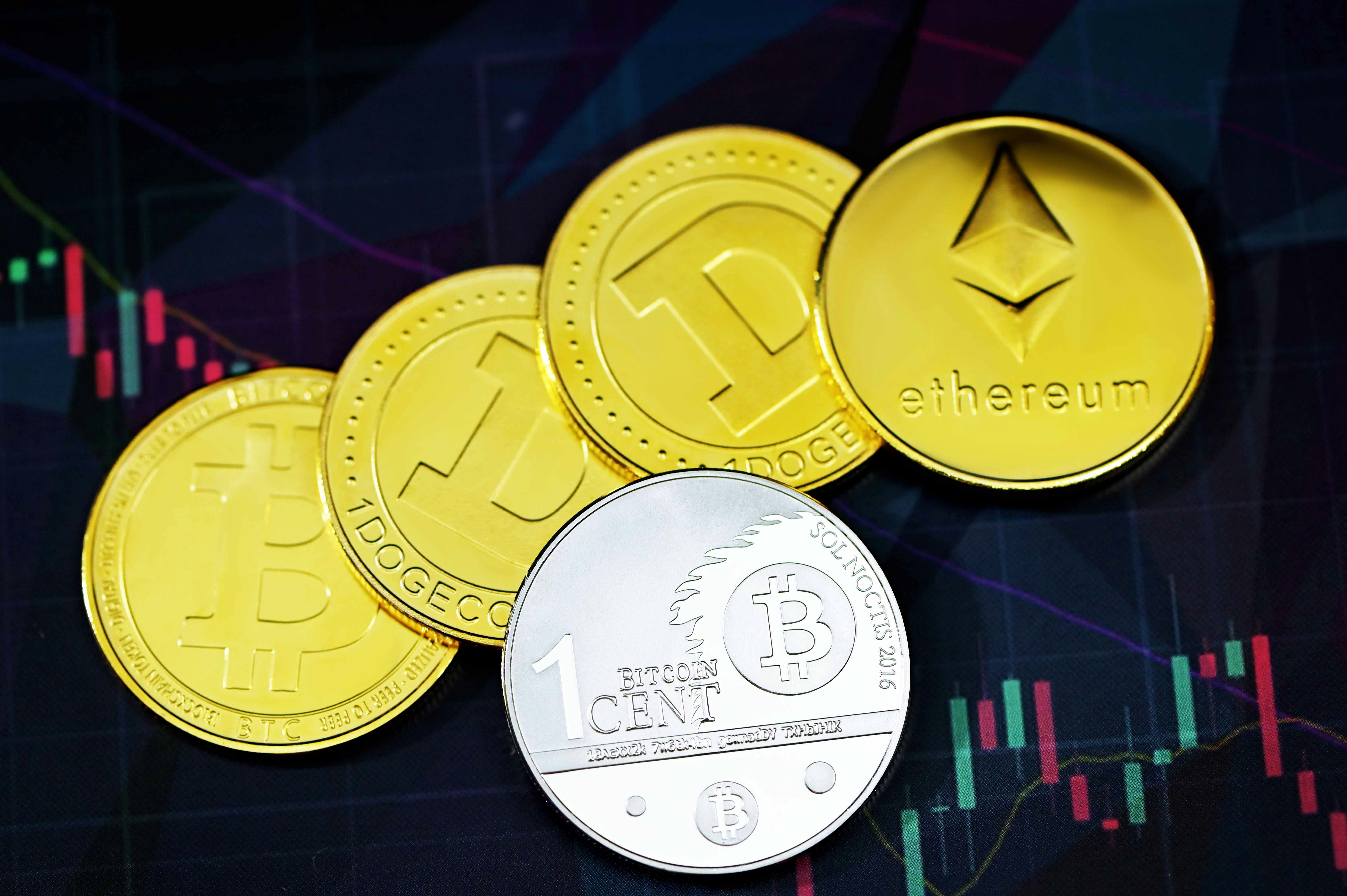
Introduction to Investment Safety
Investment safety is a fundamental concept that encompasses the understanding of risk and potential returns in various markets, particularly in the context of traditional assets like stocks and emerging digital currencies like cryptocurrencies. As investors seek to optimize their portfolios, it is essential to comprehensively assess the safety associated with different investment vehicles, given the inherent volatility and uncertainties of both domains.
In the stock market, safety is often perceived through the lens of established companies with decades of performance history, stable dividends, and robust market capitalization. Investors typically consider purchasing stocks in blue-chip companies as a safer route due to their resilience in market downturns and their ability to recover over time. Conversely, cryptocurrencies, while offering the potential for higher returns, introduce a higher level of risk due to their market volatility, regulatory uncertainties, and the relatively nascent nature of the technology.
Many investors are entranced by the allure of digital currencies, viewing their potential for exponential growth as compelling. However, the risks associated with cryptocurrencies can be concerning, especially for those accustomed to the perceived stability of traditional investments. Investors must navigate through diverse factors such as market sentiment, technological developments, regulatory changes, and security vulnerabilities, all of which contribute to the overall risk profile of digital assets. The understanding of investment safety is thus critical for individuals looking to make informed decisions in both the stock and cryptocurrency markets.
As the digital economy continues to evolve, assessing the balance between risk and return becomes increasingly important. A clear understanding of these dynamics allows investors to make decisions that align with their risk tolerance and investment objectives, ensuring that their strategies are sound in the context of both cryptocurrencies and stocks.
Understanding Cryptocurrencies
Cryptocurrencies represent a revolutionary shift in the landscape of digital finance, characterized primarily by their decentralized nature. Unlike traditional currencies issued by governments (fiat currencies), cryptocurrencies operate on a technology called blockchain, which records transactions across a network of computers. This decentralized approach not only enhances security but also eliminates the need for intermediaries such as banks, allowing for peer-to-peer transactions.
One of the defining features of cryptocurrencies is their inherent volatility. Prices can fluctuate dramatically within short time frames, driven by factors such as market demand, investor sentiment, and regulatory news. For instance, while Bitcoin has seen astronomical gains since its inception, it has also experienced significant downturns, highlighting the risks involved in crypto investing. Such volatility can be attractive for investors seeking fast profits but equally poses risks for those unprepared for sudden losses.
Cryptocurrencies also offer potential benefits that can appeal to various investors. They can provide a hedge against inflation, especially in economies facing currency devaluation. Furthermore, the global and borderless nature of cryptocurrencies allows for diversified investment opportunities, unrestricted by geographical boundaries. However, the regulatory environment surrounding crypto assets remains unclear in many jurisdictions, which can add to the uncertainty and risk of investing in this asset class. Understanding the complex framework of cryptocurrencies, ranging from their technological basis to the evolving market dynamics, is crucial for any investor considering whether to engage with them in the digital economy.
The Stock Market Landscape
The stock market has played a significant role in the financial landscape, providing a platform for companies to raise capital and for investors to grow their wealth. Historically, the stock market has exhibited a positive long-term performance, characterized by a general upward trend in stock prices despite occasional downturns. These fluctuations are often influenced by various factors, such as economic conditions, interest rates, and geopolitical events. Many investors consider stocks a fundamental component of their investment strategy due to their potential for capital appreciation over time.
One of the most notable aspects of the stock market is the regulatory framework that governs it. Regulatory bodies, such as the Securities and Exchange Commission (SEC) in the United States, play a crucial role in maintaining the integrity of the market. They implement regulations designed to protect investors, promote fair trading practices, and ensure transparency. This oversight helps build trust among investors, contributing to the stock market’s reputation as a relatively stable investment avenue compared to other options, such as cryptocurrencies.
Investing in stocks typically involves purchasing shares of companies, which represent ownership stakes in those organizations. Investors can acquire stocks through various means, such as brokerage accounts or mutual funds, which pool resources from multiple investors to purchase a diversified selection of equities. Additionally, many publicly traded companies offer dividends—periodic payments to shareholders that can serve as a source of income. This feature further distinguishes stocks from other investment vehicles, providing investors with a financial return even when share prices fluctuate.
In summary, the stock market presents a structured environment for investment, offering historical resilience and regulatory protection. Investors often favor this landscape due to its potential for passive income through dividends and the general perception of stability it provides in comparison to the more volatile world of cryptocurrencies.
Volatility: A Key Differentiator
When comparing investments in cryptocurrencies and stocks, volatility emerges as a crucial differentiator. Volatility refers to the degree of price fluctuation in the market, which can significantly influence an investor’s portfolio and decision-making process. Cryptocurrencies are often characterized by rapid and dramatic price changes, leading to larger potential gains but also increased risks.
For instance, Bitcoin, the most well-known cryptocurrency, experienced a staggering price increase in late 2017, reaching approximately $20,000, only to plummet by nearly 80% over the subsequent year. Such volatility can frustrate investors who may seek stability and predictability in their investments. In contrast, traditional stocks, while not immune to sharp declines, typically exhibit a more gradual and less erratic pricing behavior, thus allowing for more predictable investment strategies.
However, it is important to understand that volatility can also present opportunities for savvy investors. During periods of high volatility, the potential for profit can be substantial, as seen in the impressive recoveries of certain cryptocurrencies post-market corrections. A prominent example includes Ethereum, which saw its value rebound dramatically from lows during the 2018 crypto bear market, making it a popular choice among those willing to embrace risk.
On the other hand, stocks of established companies such as Apple or Microsoft, though less volatile, can still exhibit significant fluctuations based on market trends and economic conditions. For example, during the COVID-19 pandemic, many tech stocks saw sharp increases in value due to heightened demand for digital services, showcasing how even traditionally stable investments can experience volatility under certain circumstances.
Ultimately, the decision to invest in cryptocurrencies or stocks should account for an individual’s risk tolerance and investment goals. Understanding the implications of volatility is essential, as this can substantially impact an investor’s approach to building and managing their portfolio.
Long-term vs. Short-term Investment Strategies
When considering investment options, it is essential to evaluate the differences between short-term and long-term strategies, especially in the context of both the cryptocurrency and stock markets. Each approach carries its unique advantages and risks, which can significantly affect an investor’s perception of safety and potential returns.
Short-term trading typically involves buying and selling assets within a brief timeframe, ranging from minutes to weeks. Traders in this category often capitalize on market volatility to secure quick profits. In the cryptocurrency space, this strategy is particularly popular due to the market’s inherent fluctuations. However, while short-term trades can yield immediate gains, they also come with heightened risk due to unpredictable price movements. Traders must stay constantly informed and be ready to react to market news, which can present both opportunities and threats.
On the other hand, long-term investment strategies center around holding assets for an extended period, extending measurable value over time. Investors who adopt this approach in the stock market tend to focus on fundamentally strong companies with great potential for growth. In the crypto realm, long-term holders, often referred to as “HODLers,” invest in projects they believe will appreciate substantially as the technology matures. This strategy often results in a more stable investment journey, as the fluctuations that are commonplace in both stocks and cryptocurrencies tend to smoothen out over the long run.
The perception of safety in both strategies also varies significantly. Long-term investments often provide a buffer against market volatility, lessening the emotional strain associated with daily price changes. Conversely, short-term traders may experience higher stress levels and greater financial exposure due to rapid trading decisions. Thus, choosing between short-term and long-term strategies fundamentally aligns with an investor’s risk tolerance, market understanding, and financial goals.
Regulation and Legal Frameworks
The regulatory landscape for both cryptocurrencies and stocks is a vital component in assessing the safety of these investment vehicles in today’s digital economy. Stocks, governed by well-established legal frameworks, typically fall under the scrutiny of major regulatory bodies such as the Securities and Exchange Commission (SEC) in the United States. These organizations play a crucial role in protecting investors through stringent regulations that mandate transparency, financial disclosures, and ethical conduct from publicly traded companies. This oversight helps maintain a level of trust in stock markets, which are designed to offer some level of investor protection.
In contrast, the regulatory environment surrounding cryptocurrencies is relatively nascent and less uniform across various jurisdictions. Many countries are still grappling with how best to regulate this emerging asset class, leading to a patchwork of regulations that can significantly affect investment safety. While some nations have embraced cryptocurrencies and established guidelines to facilitate their use, others have taken a more cautious approach or outright banned them. This divergence poses a risk to investors, as the lack of a comprehensive regulatory framework might lead to fraud, market manipulation, and a heightened risk of loss.
Recent developments indicate a growing interest among regulators to establish clearer guidelines surrounding digital assets. For instance, regulatory bodies have started to propose frameworks aimed at ensuring consumer protection while fostering innovation in the cryptocurrency space. The introduction of concepts such as Token Taxonomy Act in the U.S. is an effort towards defining digital assets more clearly and providing them with a legal status akin to stocks. Overall, the evolving regulatory landscape will be crucial in determining the safety of investments in both stocks and cryptocurrencies moving forward. The interaction between regulation and innovation will play a significant role in shaping investor confidence in these markets.
Case Studies: Successful and Unsuccessful Investments
The investment landscape features a myriad of case studies that highlight both successful and unsuccessful ventures, particularly in the realms of cryptocurrency and traditional stocks. Understanding these examples can illuminate the varying risk tolerances and outcomes associated with each investment opportunity.
One notable success story in the cryptocurrency domain is that of Bitcoin. Originally launched in 2009, Bitcoin was valued at less than a dollar in its early years. Fast forward to 2021, it reached an all-time high near $65,000 before experiencing volatility. Early adopters of Bitcoin reaped significant rewards, exemplifying the potential for high returns associated with cryptocurrency investments. However, this also underscores the extreme risk inherent in digital currencies, where prices can shift dramatically in short timeframes.
Conversely, there are stories of investment failures within the crypto space, such as the collapse of the BitConnect platform in early 2018. This cryptocurrency lending scheme garnered a lot of attention, offering unrealistic returns that were unsustainable. Eventually, regulators shut it down, and many investors lost their entire investments, demonstrating the potential risks linked to crypto investments, especially in projects lacking transparency or sound fundamentals.
Turning to traditional investments, the stock of Enron Corporation provides a classic case of an unsuccessful investment driven by fraud. Investors once viewed Enron as a promising energy company, but hidden debts and accounting scandals led to its bankruptcy in 2001, resulting in major losses for shareholders. This case highlights the potential dangers in stock investments, particularly where due diligence and transparency are lacking.
On the other hand, Apple Inc. serves as a success story in the stock market. Investing in Apple in the early 2000s would have yielded impressive returns as the technology giant transformed into a leader in consumer electronics. This case illustrates that investment in stocks, while not without risk, can lead to stable and significant appreciation, especially for companies with a strong market position and innovative products.
Expert Opinions on Future Trends
The evolving landscape of investment options is a hot topic among financial experts, particularly in the context of cryptocurrency and traditional stocks. As digital assets gain traction, analysts anticipate significant shifts in market dynamics. Many experts emphasize the importance of understanding the underlying technology of cryptocurrencies, such as blockchain, which is expected to play a pivotal role in shaping future investment strategies. According to a report from market analysts, the democratization of finance through digital currencies could encourage greater participation among retail investors.
Alongside the growth of crypto markets, experts also highlight the potential impact of regulatory frameworks. As governments around the world begin to establish clearer guidelines for digital assets, analysts believe this will instill a greater level of legitimacy and trust in cryptocurrencies. This general sentiment indicates that regulations could lead to increased investment flows into the crypto space, similar to how regulatory clarity has historically bolstered traditional stock markets.
Technological advancements, such as the integration of artificial intelligence and machine learning into trading platforms, are also poised to redefine investment strategies. Experts suggest that these tools could enhance decision-making processes by providing comprehensive data analysis, thereby reducing risk in both stock and cryptocurrency investments. Furthermore, as institutional investors show growing interest in cryptocurrencies, this shift could influence market stability and valuation.
In summary, the perspectives shared by experts indicate a transformative future for both crypto and stock investments. Market trends will likely continue to evolve, driven by technological innovations and regulatory changes. Investors should remain vigilant and adaptable to these changes, ensuring they leverage expert insights to navigate this hybrid investment landscape effectively.
Conclusion: Weighing Your Options
In the contemporary landscape of investments, both cryptocurrencies and stocks present unique opportunities and inherent risks. As discussed, cryptocurrencies offer the allure of high returns and portfolio diversification, but often come with price volatility and regulatory uncertainties. On the other hand, stocks tend to provide more stability with established historical performance, yet may lack the exponential growth potential seen in the crypto markets. Thus, when deciding between these two investment avenues, it is crucial for investors to reflect on their individual risk tolerance and financial aspirations.
Investors who favor a higher risk, higher reward paradigm may find the dynamic nature of cryptocurrencies appealing, while those with a preference for stability may lean towards traditional stocks. Additionally, understanding market trends, potential regulations, and the technology behind cryptocurrencies can enhance one’s decision-making process. This multifaceted consideration helps encapsulate the essence of investing in either class.
Moreover, it is essential to remain informed and flexible, as the economic environment can shift rapidly. Diversifying across both asset classes can also be a prudent strategy to mitigate risks while capturing opportunities in the digital economy. As you evaluate your investment choices, consider the implications of these insights and align them with your financial objectives. Carefully weighing your options not only contributes to informed investment decisions but also fosters a strategic approach to navigating the complexities of today’s financial markets.